Preparing a probate property for sale: a sensitive, practical guide

Preparing a Probate Property for Sale: A Sensitive, Practical Guide
Losing someone close to you is difficult enough without having to make immediate decisions about their home.
An inherited property may contain years of memories, personal possessions and unfinished practical matters. Even when selling is the most sensible decision, preparing the home for the market can feel very different from managing an ordinary property sale.
There is no need to rush the emotional part of the process. However, when the family is ready to proceed, a clear plan and sensitive professional support can reduce the amount everyone has to manage.
What is a probate property?
A probate property is generally a home forming part of the estate of someone who has died.
The person responsible for administering the estate may need to obtain a grant of probate, or another appropriate grant, before they can complete certain transactions involving the property. The exact process depends on how the property was owned, whether there is a will and the circumstances of the estate.
Executors and beneficiaries should obtain appropriate advice from a probate solicitor, accountant or tax adviser before making financial or legal decisions.
Inheritance Tax is normally dealt with through the estate rather than automatically becoming a personal bill for the person who inherits the property. Capital Gains Tax may become relevant if an inherited property is later sold for more than the applicable value. The official guidance explains the position in more detail: GOV.UK guidance on inherited property and tax.
Give the family time to make decisions
Before preparing the property for sale, decide what will happen to its contents.
Separate important documents, photographs, sentimental possessions and items specifically left to family members. Avoid clearing everything in one rushed visit if the family has not agreed what should be kept.
It can help to divide the contents into clear categories:
- Items to keep
- Items for other family members
- Items to sell or value
- Items to donate
- Items to recycle or dispose of
- Items that can remain temporarily for staging
An organised process reduces the risk of something meaningful being removed by mistake.
Decide how much work the property needs
Some inherited homes have been carefully maintained and need only cleaning and presentation. Others may have dated decoration, accumulated belongings, incomplete repairs or rooms that have not changed for many years.
The purpose is not necessarily to undertake a full renovation. Before spending money, consider what will make the property feel clean, cared for and easy for buyers to understand.
Useful improvements may include:
- Removing excess belongings and furniture
- Completing small visible repairs
- Replacing failed light bulbs
- Deep cleaning throughout
- Refreshing heavily marked walls
- Cleaning or replacing tired flooring where appropriate
- Improving the entrance and garden
- Checking that every room has a clear purpose
Ask the appointed estate agent what buyers at the expected price point are likely to notice. A home stager can then help prioritise presentation work without introducing unnecessary expense.
Respect the home without preserving every detail
A probate property should be handled respectfully, but that does not mean it must remain exactly as it was.
The previous owner’s furniture and possessions may have been perfectly suited to their life while making rooms look crowded, dark or difficult to understand in photographs. Editing the contents is not an attempt to erase the person who lived there. It is part of preparing the property for a new chapter.
A sensitive staging plan keeps useful pieces where they support the room and removes or rearranges items that distract from the property itself.
Should a probate property be emptied?
An entirely empty home can appear clean and spacious, but it can also feel cold. Buyers may struggle to judge whether their furniture will fit or understand how an awkward room could be used.
Keeping unsuitable furniture can create the opposite problem. Oversized or dated pieces may make rooms look smaller and draw attention away from the property’s proportions.
The right solution may be:
- Occupied-style staging using selected existing furniture
- Partial staging that combines suitable existing pieces with hired items
- Full vacant staging after the contents have been cleared
- Focused staging of the principal rooms only
The floor plan, condition, target buyer, likely sale price and marketing budget should guide the decision.
Why presentation matters
Buyers will often encounter the property first through an online listing. Clear, welcoming photographs can help them understand its proportions, layout and potential.
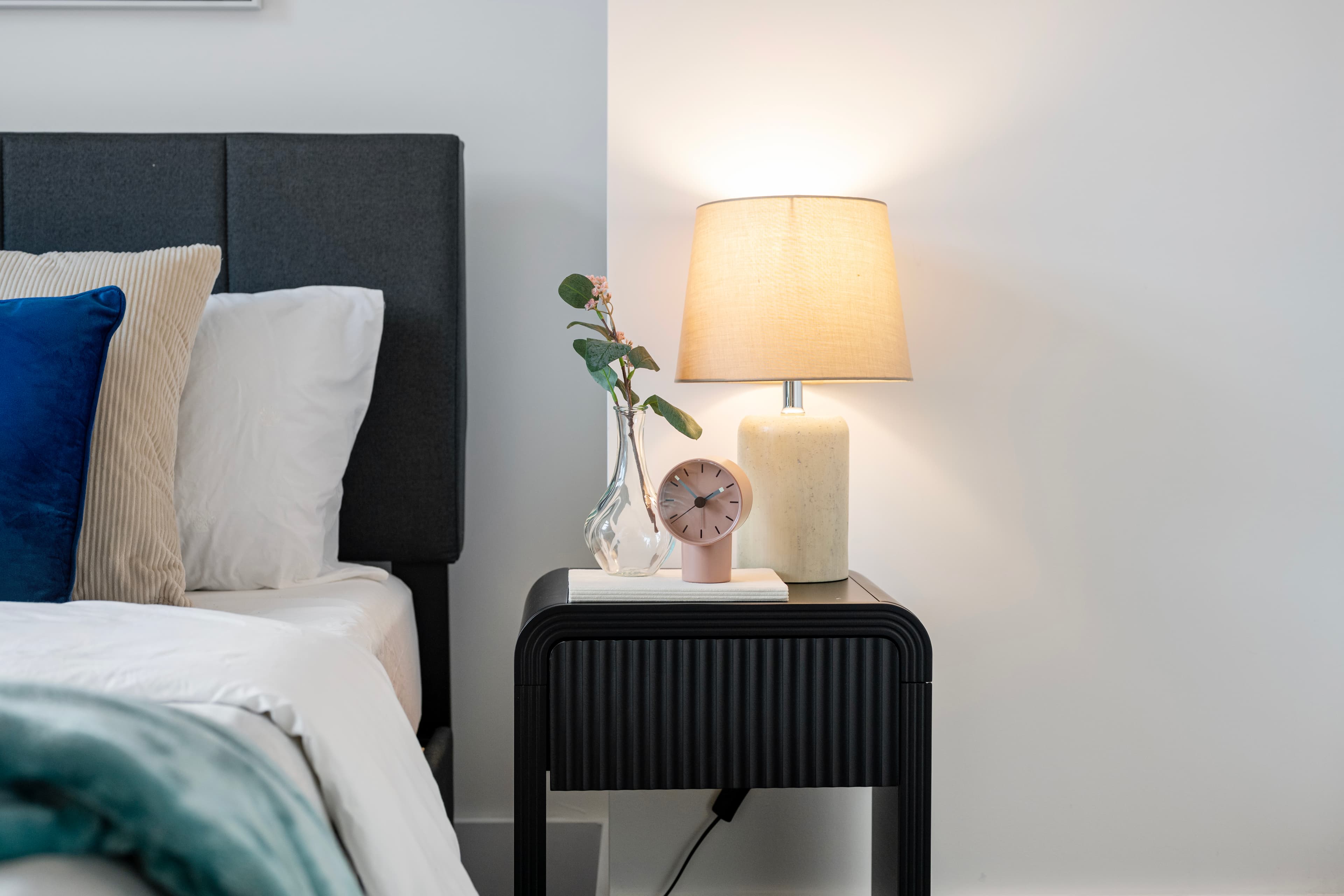
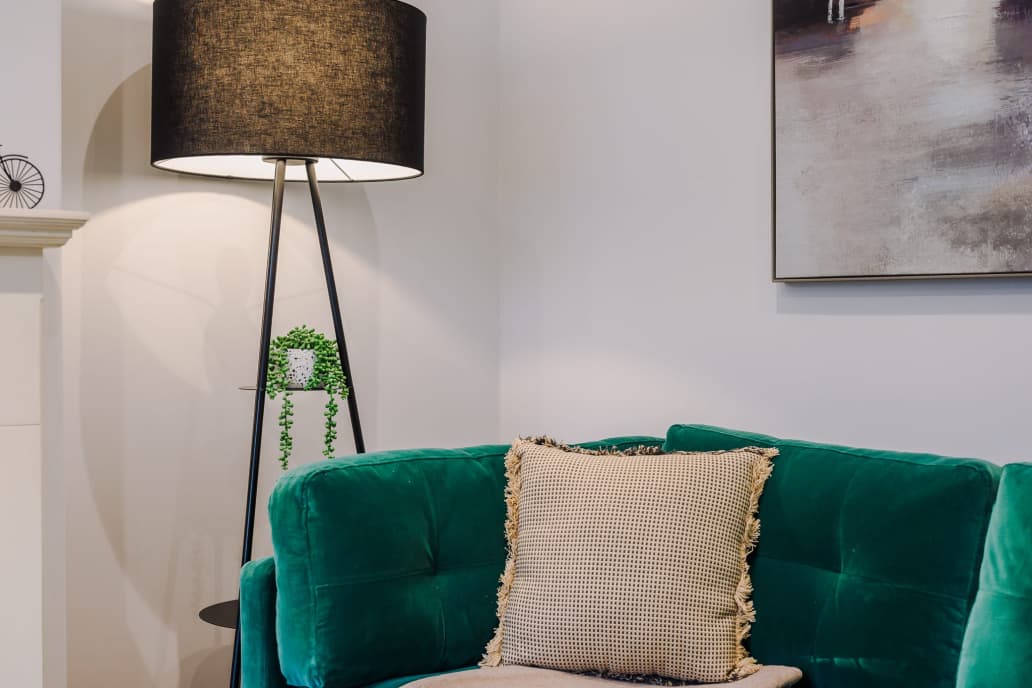
Staging can define room purposes, demonstrate furniture scale and introduce warmth through lighting, artwork, bedding, textiles and greenery. It is particularly useful when the home is empty, visually dated or likely to compete with refurbished properties nearby.
This cannot guarantee a particular sale price or timescale. Market conditions, location, condition and pricing remain important. What staging can do is help the property enter the market looking considered, understandable and ready for its next owner.
Coordinate the practical details
Probate sales may involve several family members, executors, solicitors and agents. Agree who can authorise work, approve expenditure and provide access.
Before requesting a staging proposal, gather:
- The full property address
- A floor plan
- Current photographs or a video walkthrough
- Details of furniture that will remain
- Information about repairs or decorating
- Parking and delivery access
- The intended photography and launch dates
- Contact details for the authorised decision-maker
Official guidance notes that probate may be required before dealing with some estate assets, while tax can also arise during the administration period. Review the relevant process with your professional advisers: GOV.UK guidance on managing and selling estate assets.
Allow somebody else to manage the presentation
Families do not always have the time, energy or local availability to coordinate furniture, deliveries, installation, styling and photography.
Styling Touch can assess the property, recommend an appropriate level of preparation and manage the practical staging process. The aim is to make the home feel warm, cared for and ready to be appreciated by its next owner, without asking the family to manage every detail.
Preparing an inherited or probate property for sale? Send Styling Touch the floor plan and current photographs for a sensitive, property-specific staging recommendation and quote.