How Home Staging can strengthen an Estate Agent's vendor proposition

Estate agents regularly identify the same problem: the property is viable, the price discussion is sensible, but the presentation is likely to weaken the launch. The challenge is raising that issue without making the vendor feel criticised or adding another vague recommendation to their list.
A relationship with a professional home stager gives the agent a constructive next step. Instead of saying “declutter a bit” or “make it look more neutral”, the agent can offer access to a defined consultation, action plan or full staging service.
Better advice before launch
The first listing photographs and initial portal activity matter. If presentation work begins only after weak feedback, the property has already entered the market without its strongest first impression.
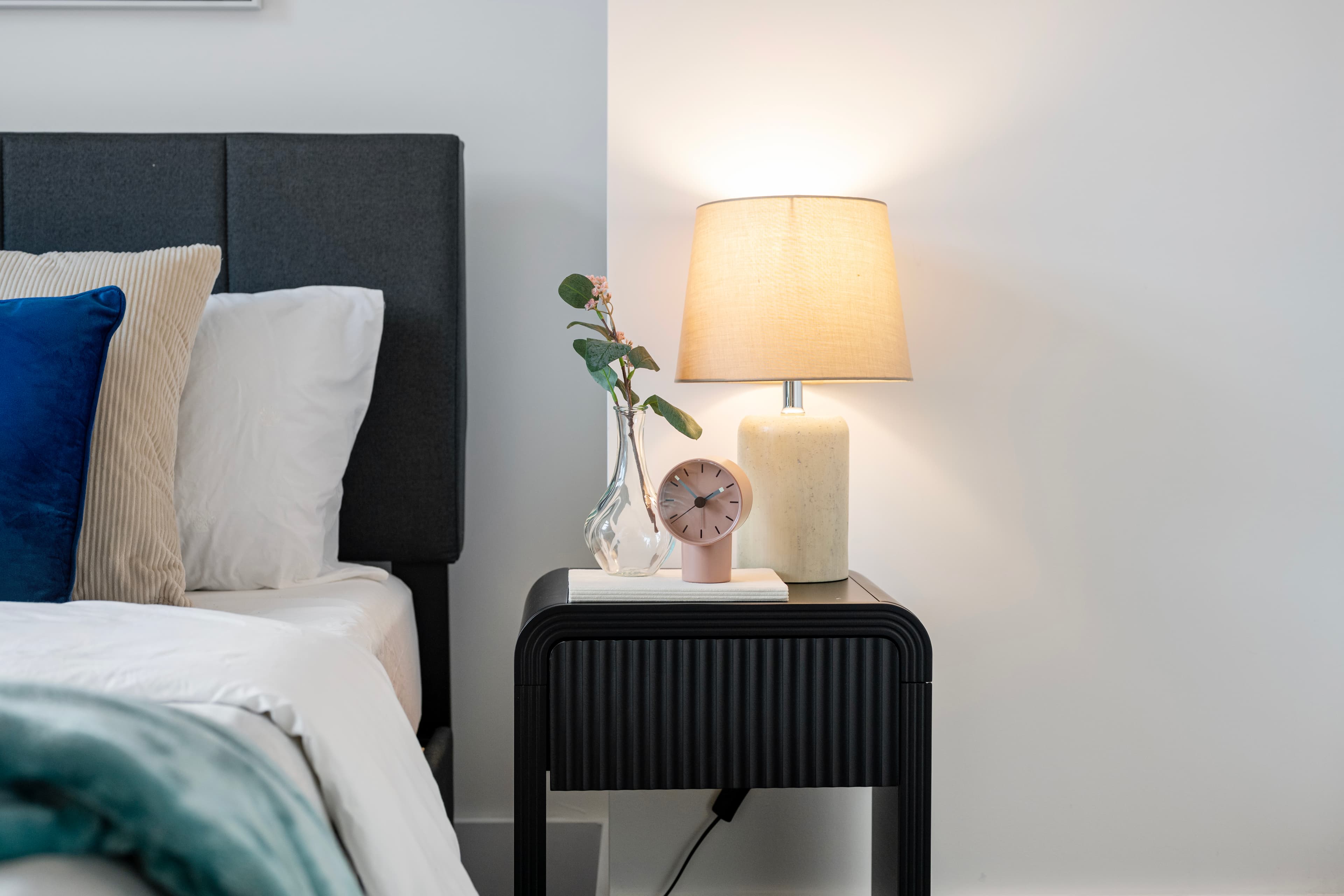
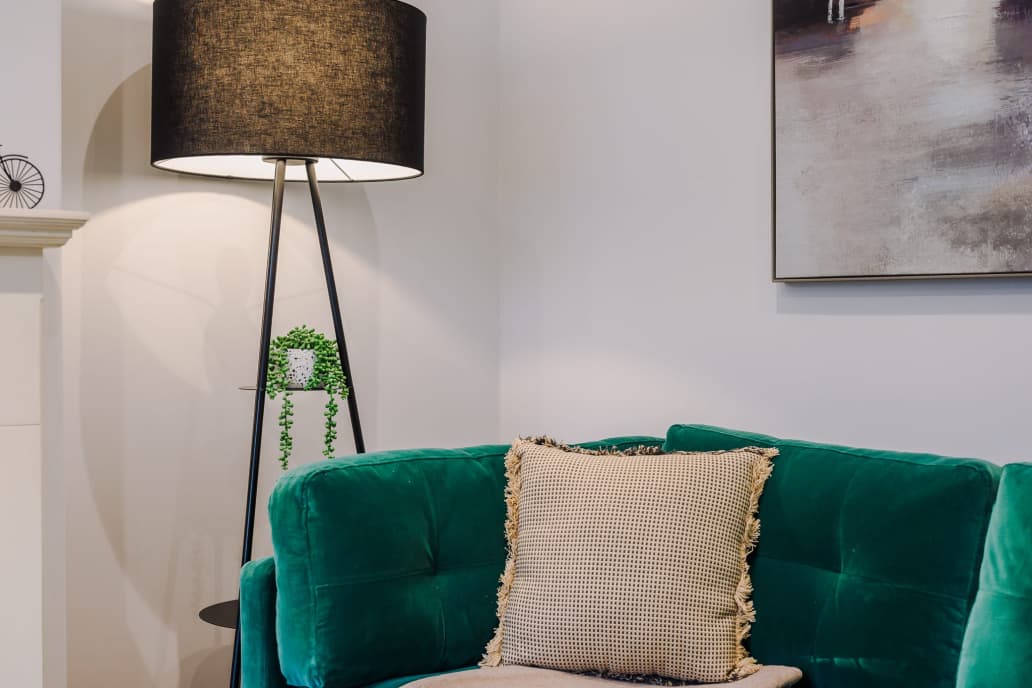
Early staging advice can address furniture layout, unclear room purpose, poor lighting, personal clutter, incomplete repairs and styling gaps before photography. For vacant homes, hired furniture can demonstrate scale and make the images feel warmer and more informative.
This is not about turning agents into interior designers. It is about giving them a dependable route for clients whose homes need more support.
A service vendors can understand
The offer should remain simple. Depending on the property, a vendor might receive:
· a home-preparation consultation and prioritised action plan;
· occupied styling using existing furniture with selected additions;
· partial staging for key rooms; or
· full staging for a vacant property, including installation and collection.
Clear options help vendors see that staging is scalable. It is not an all-or-nothing luxury reserved for premium homes.
Stronger instructions through practical value
Many agencies say they offer personal service. A useful staging pathway makes that claim tangible. It shows that the agent is thinking beyond the valuation and considering how the property will compete visually, photograph online and feel during viewings.
This can support instruction conversations, particularly where several agents propose similar fees and portal coverage. The value lies in better preparation and professional coordination—not in promising a guaranteed sale price or timescale.
A more comfortable vendor conversation
Presentation advice can be sensitive. Homeowners may be emotionally attached to furniture and decor, or overwhelmed by the work involved in moving. A specialist can deliver recommendations objectively and respectfully, separating the agent from detailed discussions about possessions.
The language should focus on the buyer experience: making rooms easier to understand, revealing space, improving photography and reducing distractions. The aim is not to judge how the client lives.
A smoother handover
A useful referral process gives the stager the property address, floor plan, current photographs, occupancy status, access details and target photography date. The stager then recommends an appropriate scope and quotes the client directly unless a different commercial arrangement is agreed.
Roles should be clear. The agent controls valuation, agency and marketing advice. The stager controls the presentation scope, sourcing and installation. Both coordinate around the launch date and photographer.
Educational value between instructions
Agents can also use home-staging education in newsletters, valuation packs and social media. A short checklist or free Home Stage for Sale Guide gives prospective vendors useful help before they are ready to instruct. It keeps the agency visible while demonstrating expertise.
Styling Touch works with homeowners, investors and property professionals to prepare occupied and vacant homes for photography and viewings.
If your agency wants a reliable staging pathway for vendors, contact Styling Touch to discuss consultations, referrals and property-specific support.