How Home Staging helps buyers see the value in your property
One of the most common questions homeowners ask is whether home staging can increase the value of their property.
The honest answer needs some context.
Home staging does not change the location, floor area, local market or structural condition. It cannot guarantee a higher valuation, a faster sale or a particular offer.
What it can change is how effectively the property communicates its value.
A well-presented home can be easier to understand in photographs, more inviting during viewings and more memorable when buyers compare it with competing properties.
Value must be visible
A property may have generous rooms, natural light and a good layout, but those advantages are not always obvious.
An empty room can be difficult to judge. A crowded room can look smaller than it is. An open-plan area may appear awkward when buyers cannot see where the living and dining zones belong.
Home staging makes those benefits visible.
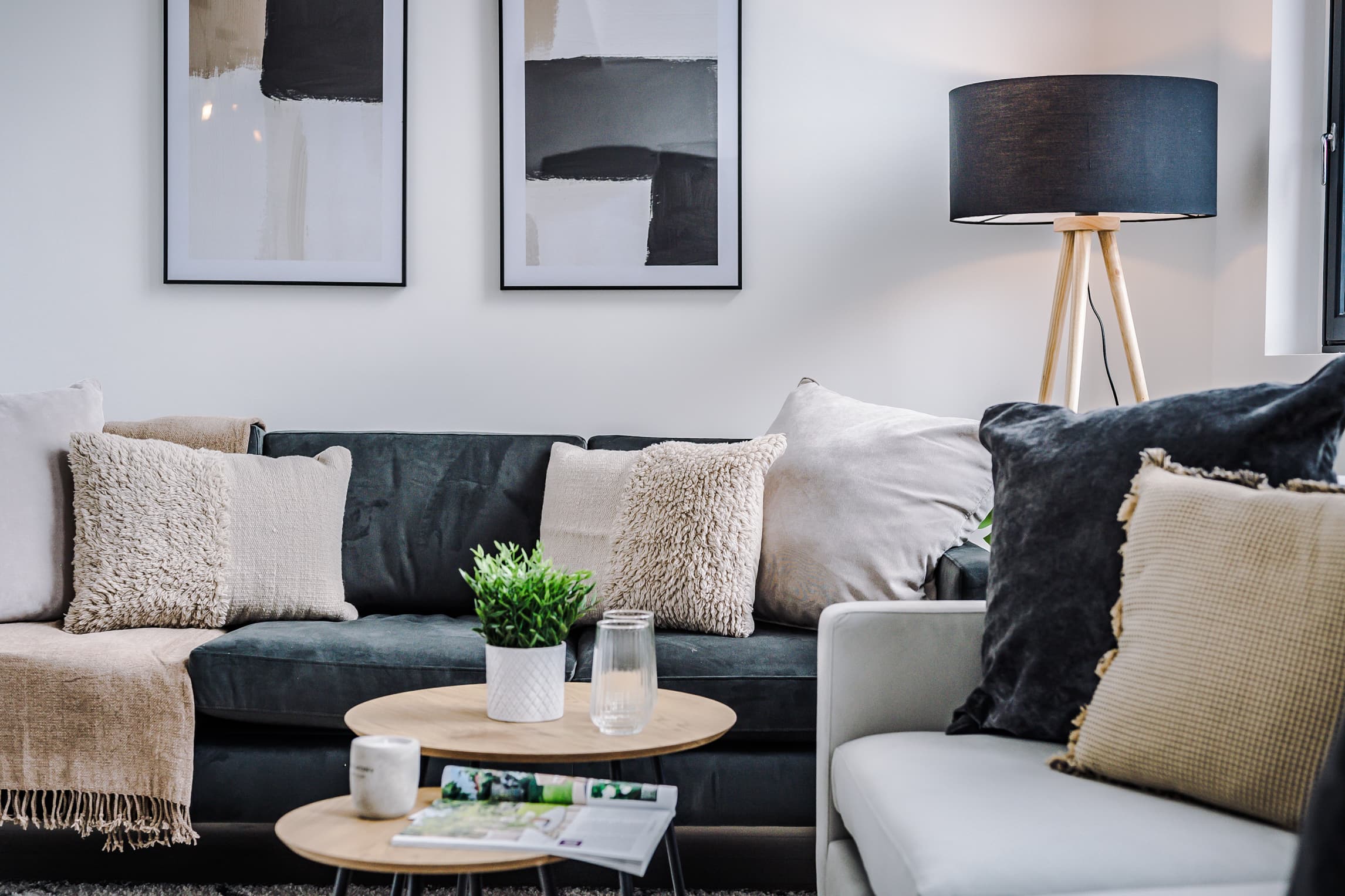
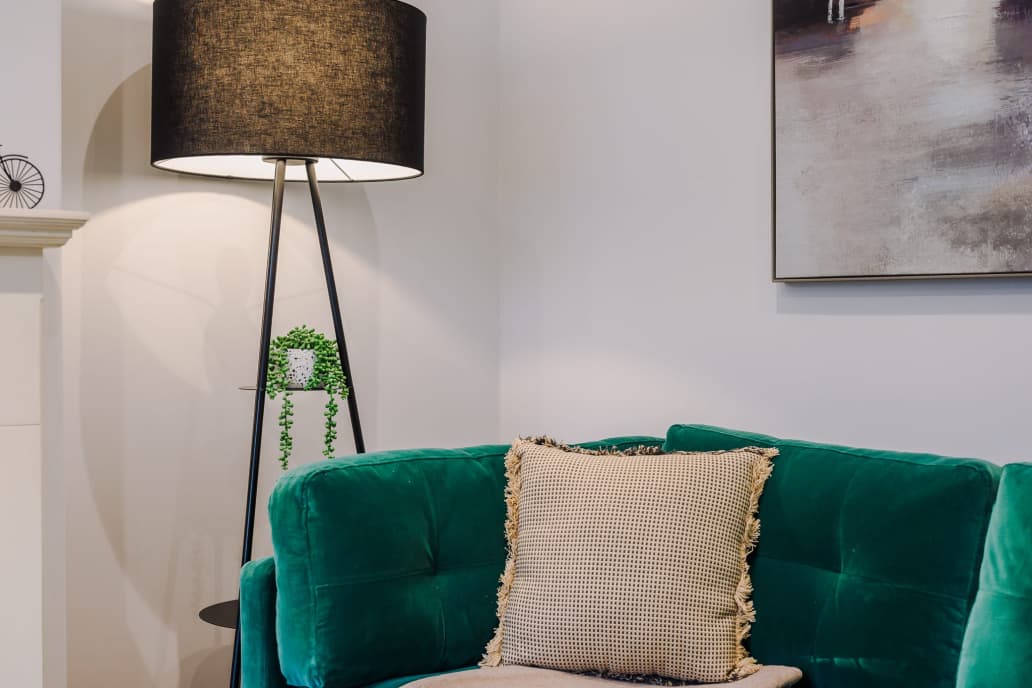
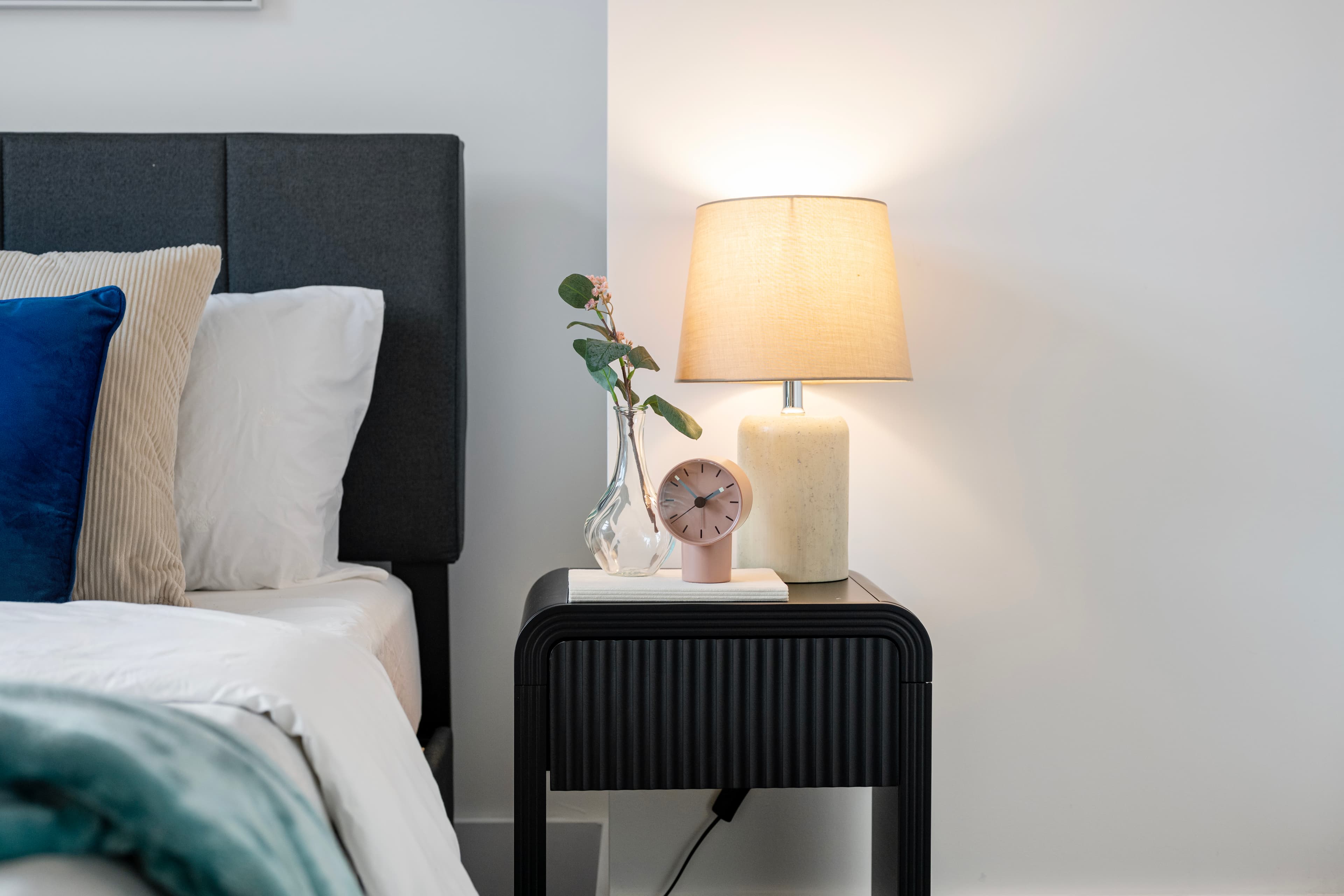
Correctly scaled furniture demonstrates how the rooms work. Thoughtful layouts improve flow. Lighting, artwork, textiles and restrained accessories add warmth without concealing the available space.
The staging is not creating square footage. It is helping buyers understand the square footage already there.
Better photographs create a stronger introduction
For many buyers, the first viewing happens online.
They scroll through listings quickly, comparing photographs, prices and locations. A property that looks dark, empty, cluttered or unfinished may be overlooked before the written description is read.
Staging prepares the home for photography by creating:
- Clear room purposes
- Stronger focal points
- Balanced furniture layouts
- A coordinated colour palette
- Warm, practical lighting
- Clean and controlled surfaces
- A more consistent journey through the property
A professional photographer can then capture a complete interior rather than trying to compensate for rooms that were not ready.
Staging can reduce buyer uncertainty
Buyers may hesitate when they cannot answer practical questions about a home.
Will a double bed fit comfortably? Is there space for dining? Can the smallest bedroom work as an office? Is the main living area large enough for everyday life?
Staging can answer these questions visually.
This is particularly valuable in vacant properties, compact homes and rooms with unusual layouts. A credible furniture arrangement allows buyers to see how the space could work without relying entirely on imagination.
Reducing uncertainty does not guarantee an offer, but it can make the property easier to evaluate and compare.
Emotional connection still matters
Buying a home is both a financial and emotional decision.
Buyers consider condition, location, affordability and future resale, but they also respond to atmosphere. They notice whether the home feels calm, welcoming and cared for. They imagine where they might sit, eat, work or wake up in the morning.
A staged property offers enough warmth to support that emotional response while remaining neutral enough for different buyers to imagine their own belongings in the space.
The goal is not to make everybody love the decor. It is to help the right buyer connect with the home.
Presentation affects comparison
Most properties do not appear on the market alone. Buyers compare them with similarly priced listings in the same area.
If competing properties are bright, clearly furnished and professionally photographed, an empty or poorly presented home may appear weaker—even when it offers comparable or better accommodation.
Staging helps the property compete visually. It can make a refurbished home feel genuinely finished, give an ex-rental greater warmth or help an occupied property look calmer and more spacious.
This does not necessarily justify setting an unrealistic asking price. Pricing should remain based on professional valuation advice and current market evidence. Staging supports that strategy by presenting the property properly.
Is staging always necessary?
No. Some homes already photograph and present beautifully. They may need only cleaning, decluttering and a few final adjustments.
Staging is more likely to be useful when:
- The property is completely vacant
- The rooms feel cold or difficult to understand
- Existing furniture is oversized or mismatched
- The home has been refurbished but feels unfinished
- A room has no obvious purpose
- The property will compete with highly presented listings
- The owner does not have time to prepare everything
- Photography or launch dates are approaching
A professional consultation can determine whether the property needs full staging, partial staging or simply a prioritised preparation plan.
Consider the whole cost, not only the staging fee
When assessing the investment, consider what the service includes.
A tailored staging proposal may cover design direction, furniture, accessories, delivery, installation, final styling, de-installation and collection. Professional photography or video may also be included where stated in the proposal.
It also saves the homeowner from measuring rooms, finding suitable furniture, coordinating deliveries, assembling items, handling returns and preparing every room personally.
The relevant comparison is not simply staging versus spending nothing. It is staging versus the time, uncertainty and fragmented purchases involved in creating an equivalent result independently.
Avoid relying on headline percentages
You may see articles suggesting that staging adds a fixed percentage to a property’s selling price. Such figures should be treated cautiously.
Results vary according to the local market, initial condition, asking price, buyer demand, quality of execution and type of property. Evidence from a survey or selected case studies should not be presented as a guaranteed outcome for every home.
A more credible way to assess staging is to ask:
- Does the property currently show its space clearly?
- Will it photograph competitively?
- Can buyers understand every room?
- Does it feel complete and cared for?
- Would professional coordination improve the launch?
- Is the proposed service proportionate to the property and likely sale value?
The aim is a stronger market launch
Home staging is most effective when it is planned before photography and tailored to the property.
It should not conceal defects or create unrealistic expectations. It should help buyers recognise the layout, proportions, condition and lifestyle the home can genuinely offer.
Styling Touch provides tailored staging for occupied and vacant properties, from advice and focused styling to furniture installation and complete preparation for photography and viewings.
Would your property benefit from staging? Use the Styling Touch estimate calculator for an initial guide, then send us your floor plan and current photographs for a tailored recommendation and quote.