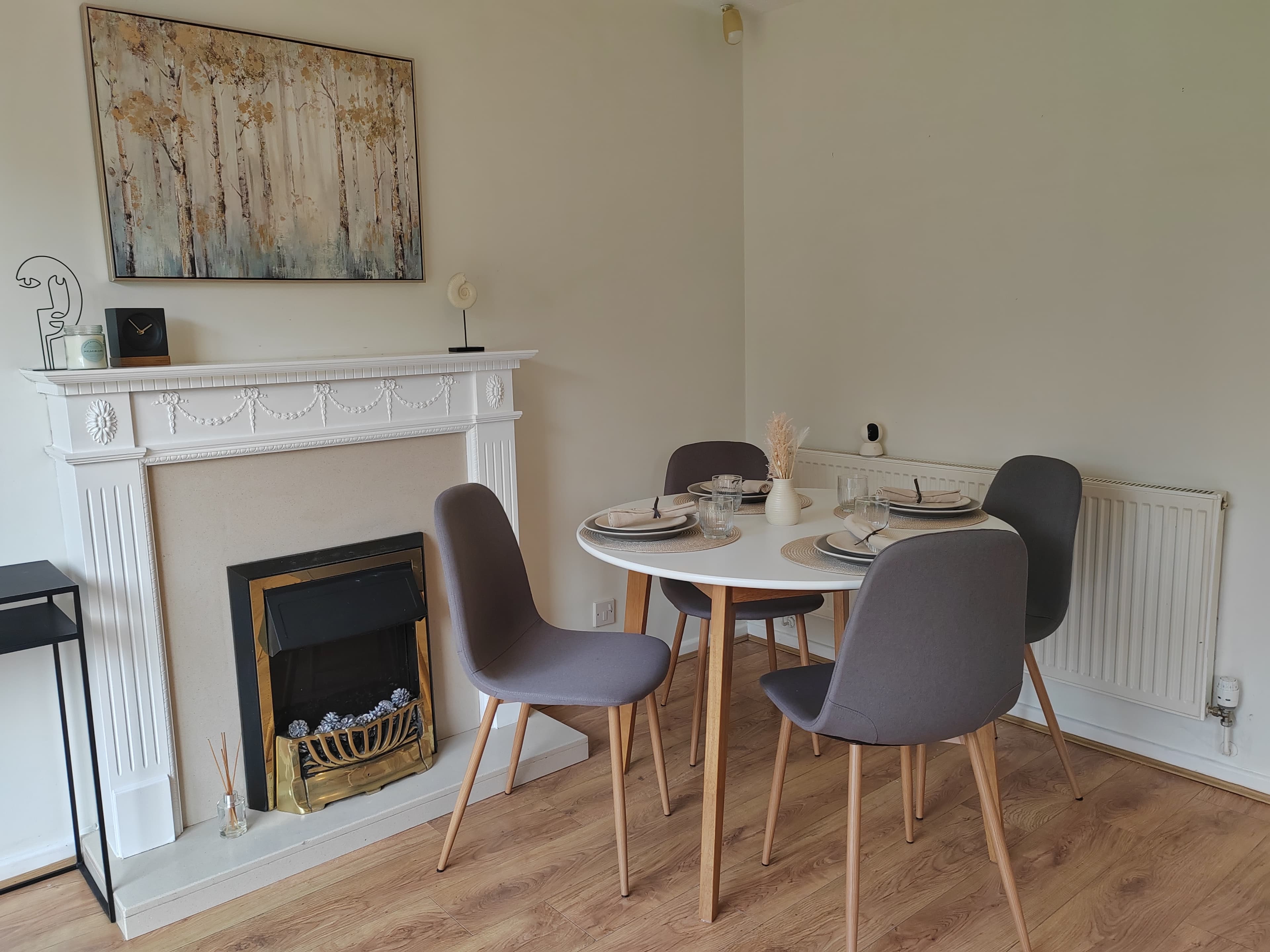
The final 10% of a property flip: why presentation should be in the budget
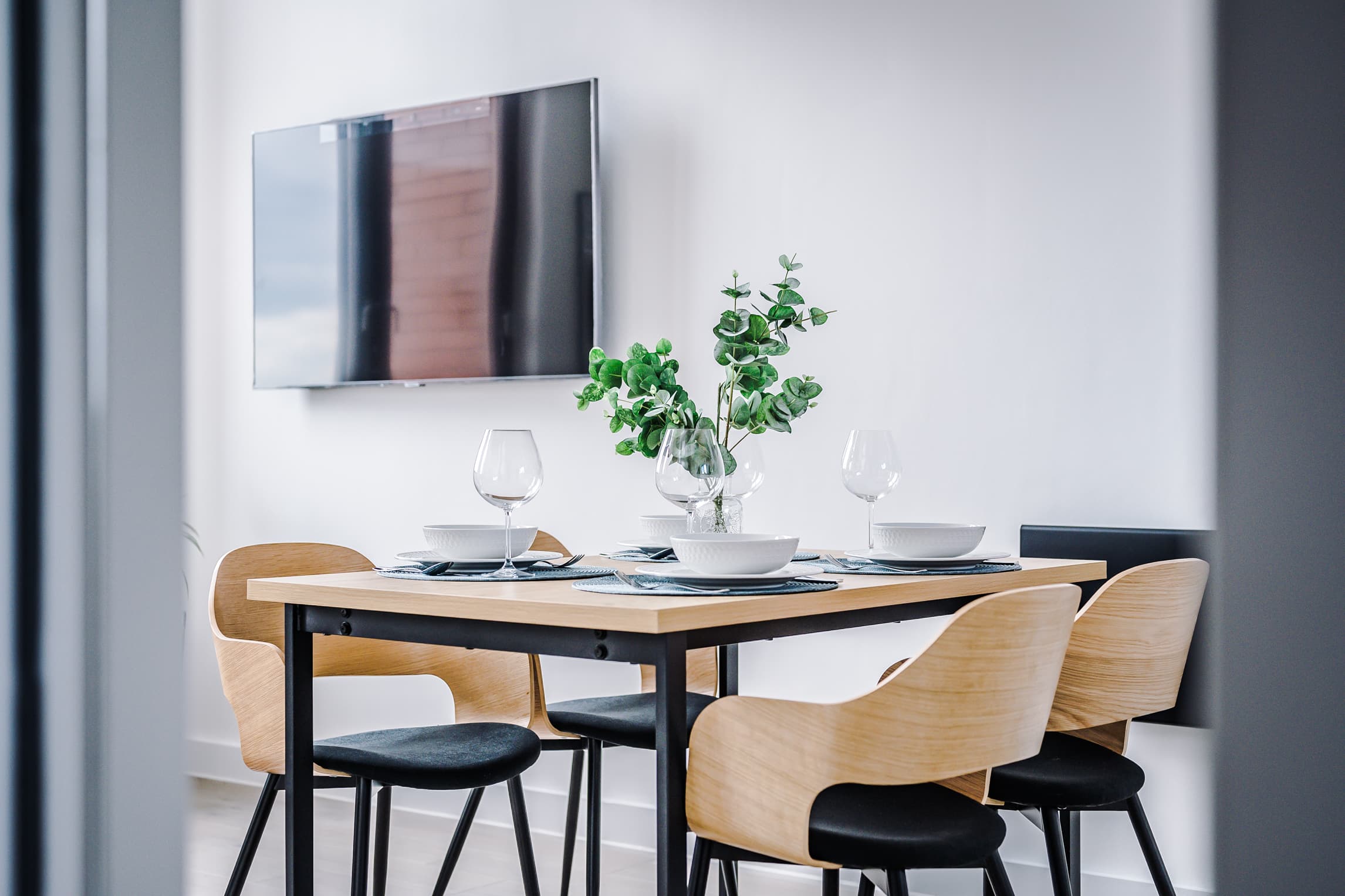
Property investors rightly focus on purchase price, structural work, kitchens, bathrooms, flooring and compliance. Presentation is often left to whatever money and time remain. That is risky because the listing photographs and viewings are where the completed investment finally meets the buyer.
The “final 10%” is not a fixed percentage of spend. It describes the last layer of decisions that connects the refurbishment: decorating touch-ups, lighting, furniture scale, room purpose, accessories, snagging and photography preparation.
Buyers experience the result, not the spreadsheet
A buyer does not see how carefully the investor controlled the schedule of works. They see whether the finished property feels bright, coherent, spacious and ready to occupy. If rooms are empty or awkwardly furnished, the quality of the renovation may be less obvious online.
Staging helps demonstrate how the floor plan works. It can define an open-plan area, make a compact bedroom credible and give large blank spaces a sense of proportion.
Presentation decisions affect refurbishment decisions
Staging should be considered before the last trade leaves. Wall colour, flooring, window treatments, socket positions and lighting all influence the final scheme. A warm off-white may connect existing finishes more successfully than a harsh trade white. Good lighting positions reduce the need for awkward cables. The right curtain solution can soften a room without reducing light.
Early planning prevents the investor from buying finishing items that conflict with the fixed specification.
Budget for the whole route to market
A realistic exit budget includes cleaning, snagging, staging or styling, delivery and installation, professional photography and removal or collection. Access also matters: flats without lifts, restricted parking and narrow stairs may affect logistics.
If the entire presentation budget is treated as optional, it is often consumed by overspend elsewhere. Ring-fencing it early protects the launch.
Prioritise where the buyer makes decisions
If full staging is not appropriate, invest in the main living area, dining zone, principal bedroom and any room with an unclear use. Kitchens and bathrooms need less furniture but must be spotless and carefully styled. The entrance and exterior should signal that the refurbishment is complete before the buyer reaches the main rooms.
Avoid overcrowding. The objective is to support the done-up value by making quality and space visible, not to distract from them.
Photography is part of the exit strategy
Do not book photography for the morning after installation or the final decorating day. Allow time for snagging, replacements, cleaning and styling. A damaged dining chair or missing lampshade can hold up the entire visual story.
Ask whether the images will also be used for investor case studies, future funding packs or social media. A coherent set of photographs can continue to support the business after the property is sold.
Evaluate presentation commercially
Staging cannot guarantee a particular price, valuation or speed of sale. It can, however, improve how clearly the finished product is communicated and help the property enter the market looking intentional rather than incomplete.
Compare the staging decision with the cost of weak launch material, repeated price discussions or the investor's own time spent sourcing, receiving and returning furniture. The visible spend is only part of the equation; coordination and delay also have a cost.
Planning the exit of a refurbished property? Share the floor plan, current photographs and target launch date with Styling Touch for a tailored staging proposal.